

In recent years, with the increasing incidence of drug diversion and re-circulation, the national medical insurance fund has been eroded, and public drug safety has been threatened. To address this issue, the National Healthcare Security Administration (NHSA) has actively promoted the development and application of a drug traceability code system, tackling the problem at its root to crack down on the illegal industrial chain of drug diversion.

Functions and Importance of Drug Traceability Codes
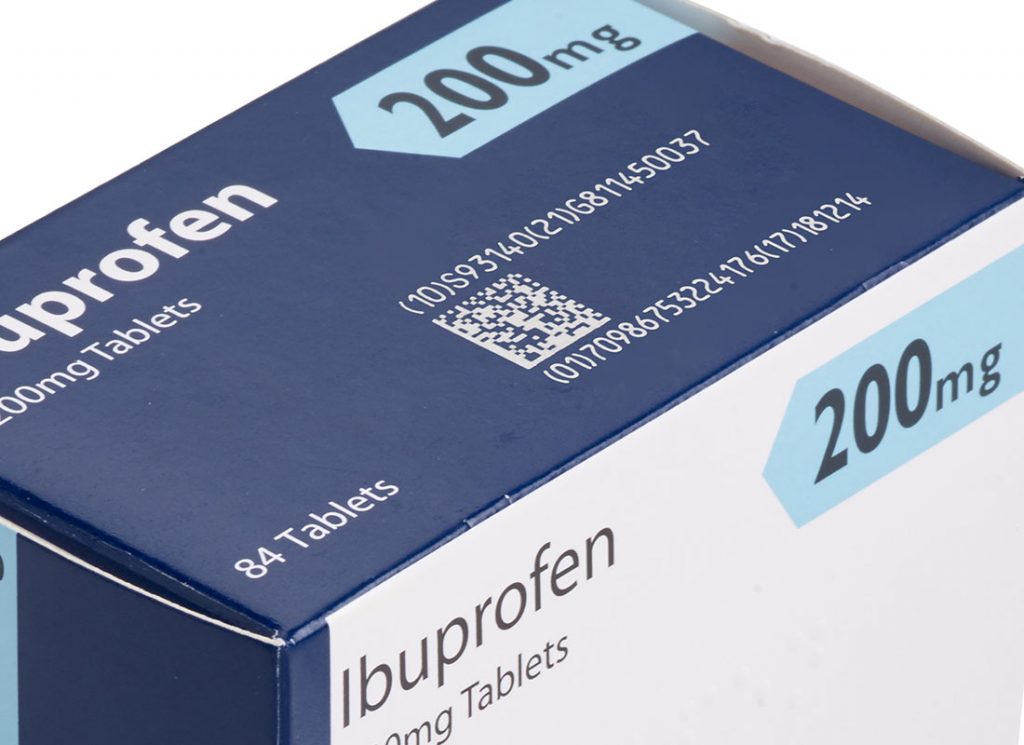
A drug traceability code is regarded as the "ID card" of a drug. It is usually printed on the packaging of drugs and medical consumables in the form of a barcode or QR code. By scanning the traceability code, one can clearly track the drug's production source, circulation process, and sales destination. This ensures that the entire circulation process of the drug is searchable and traceable, thereby guaranteeing the authenticity and safety of the drug.
Since April this year, the NHSA has launched a pilot program for collecting traceability code information of medical insurance-covered drugs and consumables. As of October 29, all 32 provincial-level medical insurance information platforms across the country have fully participated in data collection, with a total of 3.127 billion pieces of data collected. This data covers 296,800 designated medical institutions and 497,200 designated retail pharmacies. Such large-scale data collection will effectively curb the phenomenon of drug diversion.
Promotion and Challenges of Drug Traceability Codes
Although the drug traceability code system provides a powerful tool for eradicating re-circulated drugs, its promotion faces numerous challenges in terms of technology, funding, and operation. Enterprises and medical institutions need to invest significant resources, including technological upgrades and equipment updates, to meet the requirements of traceability code information collection. Additionally, there are currently many different traceability code platforms in the market. Enterprises often need to switch between systems frequently when collecting and uploading information, which not only increases workload but also may lead to additional costs and technical obstacles.
In response to these difficulties, the NHSA's planning and construction aims to simplify the information collection process, improve the work efficiency of enterprises and medical institutions, reduce redundant construction, and lower costs. Through unified standards and platform integration, enterprises will be able to operate the traceability code system more efficiently.
Significance of Drug Traceability Codes for Enterprises
For pharmaceutical manufacturers, traceability codes not only help standardize drug circulation and ensure drug safety but also have a positive impact on internal enterprise management. The collection and application of comprehensive traceability information can promote the refined management of enterprises, reduce management costs, and improve production and operation efficiency. In market competition, enterprises can better understand market demands and changes through traceability codes, strengthen connections with upstream and downstream partners, and enhance corporate reputation and market influence.
The application of drug traceability codes is not only a crackdown on illegal activities in the drug circulation field but also a driving mechanism to promote the entire industry towards standardization and high-quality development. Hefei Yima, as an enterprise supporting the standardized development of the medical industry, will continue to provide advanced technical support to help medical enterprises promote and implement the drug traceability system, ensuring more secure medical security.


